

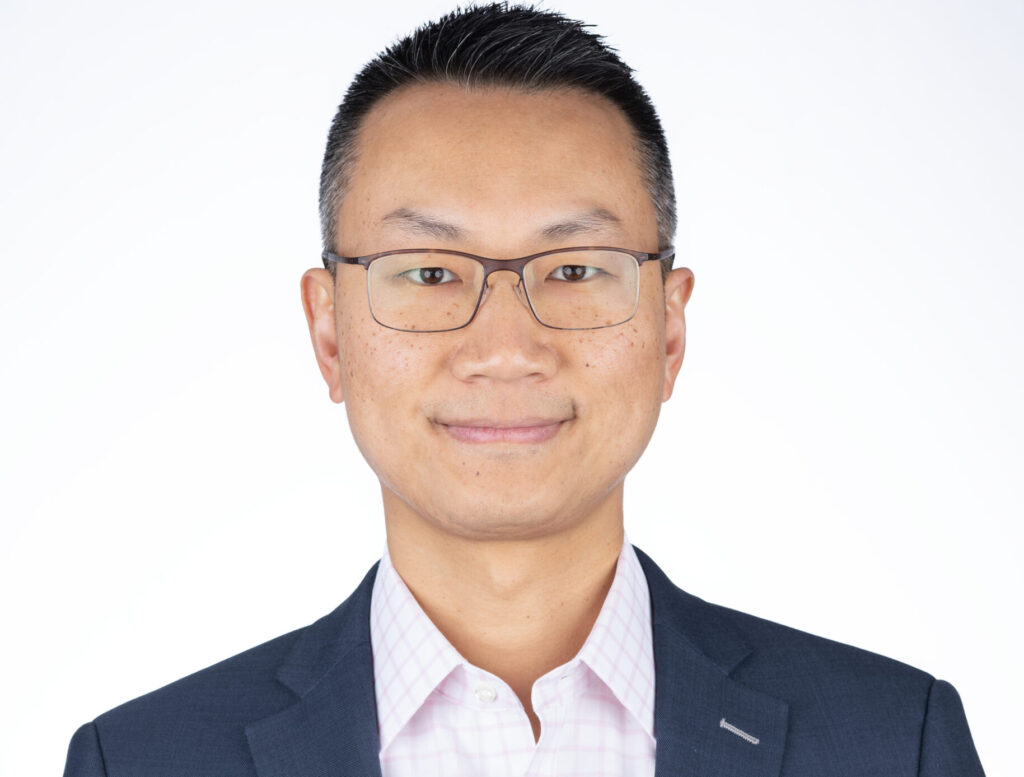
David Ding has funded borrowers across North America, Europe, and Australia as Senior Managing Director at FGI. He leads the underwriting team and is responsible for expanding FGI’s global footprint by deploying capital and executing financing opportunities across all stages of a borrower’s life cycle.
Ding began his career in asset-based financing focused on healthcare before moving into general industries. He has led underwriting, negotiation, structuring, and execution of over $1 billion in capital commitments for middle-market transactions in sectors including industrials, mining, technology, retail, and transportation.
He emphasizes strategic risk when making global investment decisions. “Lending in non-U.S. jurisdictions requires paying careful attention to the local landscape and identifying key factors that influence the lender’s ability to enforce on secured collateral,” Ding says.
One such approach based on labor conditions in Mexico led to FGI’s Contingent Labor Liability framework. This analysis enables FGI to assess risk exposure and manage credit effectively to prevent over advancing beyond the asset’s liquidation value.
Looking to 2025, Ding sees uncertainty driven by global trade friction and geopolitical instability — conditions like those during the COVID-19 pandemic, when subsequent supply chain disruption squeezed margins and depleted liquidity.
“Risks from tariffs and supply chain shocks will be a top concern for specialty lenders this year,” he says.
His work in cross-border lending gives him a clear view of these pressures: “FGI is witnessing firsthand how challenging it is for companies to plan for contingencies that may or may not materialize.”
After a decade in finance, Ding notes that growing competition has pushed lenders to become more strategic: “Firms that stretch their capabilities based on strengths and expertise tend to succeed.”
For Ding, risk management is essential: “Recovering capital or trust is harder than finding growth. A strong credit framework and good borrower relationships pay off long term.”