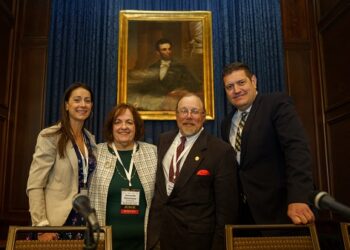

By Michael Leshinsky, President, Leshinsky Finance
Real estate investment and development is not a cut and dry practice. Luckily, financial consultancy firms can help find the right partners and cut through the red tape to get projects from ideas to execution.
From creating extraordinary software to life-saving medication, there are various methods of building value and wealth being utilized today across the globe. However, the most traditional and commonly known concept continues to be investing in, and developing, real estate. While this particular strategy is well known, it still isn’t viable enough for most people to generate a stable income and long-lasting wealth — otherwise we would all be real estate moguls, right?
Successfully navigating the real estate industry requires two essential elements: a stable avenue of procuring the necessary resources and a solid knowledge of the legal labyrinth created by the government. Even for someone who understands the real estate market, it is generally tough to figure out how to not end up spending millions of dollars on redevelopment projects and hundreds of hours on learning to deal with the pain of bureaucracy.
Let’s look at a simple example to understand this better. You are Jane Doe, and you have identified an old, run-down building in your city, which you want to develop into an apartment complex. The location is popular, the price is sound and the demand is high. Now, all you have to do is find a credible architect and construction company, negotiate with the city council and finance the project. Zoom out and you’ll see just three steps to owning and operating an apartment complex. Zoom in and you’ll see three complex and draining assignments about which you might not have the first idea of what to do. This is where financial consultancy firms come into the picture.
Financial consultancy firms, or FCFs, that specialize in real estate are your best bet at finding the right people and the right price for your projects. You bring them the building (you don’t have to own it, just find it) and then they take over from there. They conduct all the necessary research, find and get quotes from the right architect and construction companies, negotiate with city council and/or other government entities as on your behalf, manage all the paperwork and do their best to get you government incentives to help finance your redevelopment and off-set your tax liability.
The government incentives can be in the form of tax credits, tax reliefs, governmental grants, or even all three. Of course, you can search and apply for these incentives yourself, as each state has its own commerce website that lists all the available incentives, but it’s a long and tedious process which is better outsourced. Without outsourcing this task, it can take you years to negotiate a good deal with the government. An experienced FCF can procure the incentives within a third of that time.
On top of the government incentives, since you are redeveloping an old building, you are eligible for historic tax credits along with state-specific rebuilding tax credits, which are approved by the local preservation society followed by National Trust for Historic
Preservation in Washington, D.C. If argued correctly, these rebuilding tax credits can also be granted for new construction. Another form of tax credits commonly availed are new market tax credits for underserved markets. Continuing the previous example, you might decide to redevelop the old building and convert it into a lower-income housing program. In such cases, the government can cover up to 90% of the project costs. The tax credits awarded to your company can also be exchanged for cash, which can be put toward financing your project as well. This is not a common practice and the legal structure is a mess, which is why such tasks should also be outsourced to FCFs.
So, the next time you find a piece of real estate for your project, the right steps are to:
- Conduct your due diligence regarding the history and location of the building.
- Research the local FCFs, boutique or otherwise, and find out whether they employ real estate experts in their teams.
- Be upfront about your project requirements and the redevelopment use cases, so the FCF can figure out creative arguments and get you much-needed tax credits.