


Secured Research | Equipment Finance Originator | Monitor | Monitor Suite | Converge | STRIPES Leadership
No Result
View All Result
ABF Journal
Forward for Specialty Finance
SUBSCRIBE
Lender & Services Directory
  • News
    • People
    • Economy
    • All News
  • Deals
  • Magazine
    • Magazine Issues
    • Nominations
  • Features
  • Recruiting
  • Events
  • Advertise
  • Contact Us
  • News
    • People
    • Economy
    • All News
  • Deals
  • Magazine
    • Magazine Issues
    • Nominations
  • Features
  • Recruiting
  • Events
  • Advertise
  • Contact Us
No Result
View All Result
ABF Journal
No Result
View All Result
Home Published Articles

Beyond Statements: How to Build and Maintain a More Diverse and Inclusive Workplace

byPhil Neuffer
June 11, 2021
in Published Articles
Michael Bush
CEO
Great Place to Work

In the last year, there has been a large uptick in the number of companies that have exuded their intention to build more diverse and inclusive teams and workplaces. The unfortunate reality is much of this action has been spurred by racial violence, particularly the murders of George Floyd and Breonna Taylor by police officers last summer.

Bush is uniquely qualified to assess not only the current rise in focus on diversity, equity and inclusion in the corporate world but on how to best incorporate those values effectively in an organization. Bush joined Great Place to Work in 2014 and eventually ended up buying the company and turning it around financially. As he took on a greater leadership role, Bush noticed that his own company was labeling companies as great places to work without incorporating an emphasis on more diverse and inclusive workforces.

Diversity Leads to Improvement
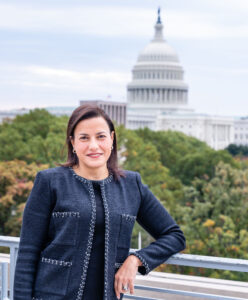
Manar Morales
President and CEO
Diversity & Flexibility Alliance

“Diversity drives innovation,” Bush says. “Companies need the help of all employees to make sure they’re feeling safe and that they’re value[d] and are going to be needed to help the company innovate. Frankly, I have not met a company yet that has the diversity of thought and lived experiences that it needs to create the innovation that diversity, equity, inclusion and belonging will bring.”

“When you have a company full of people who are trusted, cared for, respected and valued, they are going to give 100% to your company,” Bush says. “That’s why companies who have a culture closer to that outperform those who [don’t].”

“Not only do diverse teams have better decision-making capabilities, but research shows that they perform better as well,” Manar Morales, president and CEO of the Diversity & Flexibility Alliance, says.

“Organizations need to look beyond mission statements that include diversity and inclusion and make authentic and tangible commitments towards improvement,” Morales says. “I advise leaders to peel back the layers and ask, ‘Well, what exactly are we doing to improve?’ We need to see more concrete actions towards creating cultures that support diversity and inclusivity.”

As the U.S. economy continues to grapple with the negative effects of the COVID-19 pandemic, being able to traverse a recession will be more important than ever. But companies also need to have a longer-term perspective. According to both Bush and Morales, what companies do (or don’t do) about improving DE&I now will greatly influence who will want to work for and with them in the years to come.

Despite the evidence supporting the need for more diverse workforces, many companies struggle to actually do more than state their intention to improve. However, that doesn’t mean there aren’t concrete strategies that can be utilized to address the problem. To begin with, being purpose-driven is critical.

Much of the responsibility for this must fall on leadership. Making DE&I initiatives a leadership imperative avoids isolating such actions to only certain parts of a company.

Since leaders need to take on a key role in promoting DE&I at all times, they must be even more active in times of distress. That means avoiding the last in, first out policies that can more disproportionately affect employees from historically marginalized groups, according to Bush, but it also means keeping a people-first approach overall.

In the same vein, as Morales points out, many companies claim that they recruit the best talent, but that can’t be the case if they limit their recruiting scope.

What Gets in the Way

“To write [unconscious bias] off and just say, ‘Oh well, we all have it, therefore we don’t have to care about it,’ is not the response that we want to see. It’s that we all have it, therefore, we have an obligation to do something about it,” Morales says.

“There are some leaders and managers who are creating an inferior, unfair experience for people in certain demographic groups, some consistently across all demographic groups, and you have to work with those leaders … and determine for yourself if they want to change.” Bush says. “And if they don’t want to change, you should get them out of the company.”

“Where companies fail is they don’t build in any accountability,” Morales says. “Everybody within the organization should be accountable to advancing diversity and inclusion within the organization.”

Creating that accountability has to be based on actual measurements of success and not just a look at peer companies, Morales says, noting that when companies just evaluate themselves against their competitors, they fail to move the needle since most industries are falling short. This causes companies to focus on sending out statements and enacting initiatives aimed externally rather than really examining how their internal structures contribute to the structural inequities of society.

Asking questions is not enough, however, as companies need to turn the information they gather into action and continually measure progress in addressing the problems that are uncovered. The metrics will be different for each company and influenced largely by how intentional an organization is with its efforts. That means avoiding check-the-box conversations like unconscious bias trainings as the sole strategy for improvement.

“I remain hopeful that progress will continue. I wouldn’t do the work that I do if I didn’t think that progress could happen … but change has to be intentional,” Morales says. “We’ll start to see that change happening as companies move to investing more and understanding that diversity and inclusion can’t just be a statement you put on your website.”


Phil Neuffer is managing editor of ABF Journal.
Previous Post

Creativity And Intention Are Necessary to Fight The ‘Lack Of Diverse Talent’ Myth

Next Post

TD Bank Takes a Community-Focused Approach to Lending to LGBTQ2+ Businesses

Related Posts

16th Annual Philadelphia Credit & Restructuring Summit Presents Valuable Programs
Published Articles

16th Annual Philadelphia Credit & Restructuring Summit Presents Valuable Programs

June 10, 2025
Irreconcilable Differences:  How MCA Abuse of “Reconciliation Rights” Threatens Collateral
Published Articles

Irreconcilable Differences: How MCA Abuse of “Reconciliation Rights” Threatens Collateral

April 25, 2025
Published Articles

Fraud! The Word Lenders Hate to Hear

April 18, 2025
News

Asset Quality Concerns Mount in Asset-Based Lending as Economic Headwinds Persist

March 24, 2025
The Debt Settlement Trap: How Predatory “Relief” Schemes Endanger Businesses and Lending Relationships
Published Articles

The Debt Settlement Trap: How Predatory “Relief” Schemes Endanger Businesses and Lending Relationships

March 14, 2025
New Tariff in Town: The Potential Impact on Borrowers & Lenders
Published Articles

New Tariff in Town: The Potential Impact on Borrowers & Lenders

March 5, 2025
Next Post
TD Bank Takes a Community-Focused Approach to Lending to LGBTQ2+ Businesses

TD Bank Takes a Community-Focused Approach to Lending to LGBTQ2+ Businesses

Leave a Reply Cancel reply

Your email address will not be published. Required fields are marked *

Machine Intelligence Meets Middle Market Lending: The Quiet Transformation of Credit Underwriting

Eve Melvan | 2025 Trailblazer
byLisa Rafter
March 13, 2026
ShareTweetSend

About Us

For over 50 years, RAM Holdings’ brands have led the commercial finance industry in publishing, talent development, research and events. ABF Journal’s audience is comprised of as many as 18,000 specialty finance industry executives, private equity investors, investment bankers, advisors, service providers and more.

Our Brands

  • Secured Research
  • Equipment Finance Originator
  • Monitor
  • Monitor Suite
  • Converge
  • STRIPES Leadership


Learn More

  • Advertise
  • Magazine
  • Contact Us

Newsletter

Driving specialty finance forward for decades with insights, recognition and deals. Sign up now.

SUBSCRIBE >>

© 2025 RAM Group Holdings - A Leading Commercial Finance Publishing Group For Over 50 Years

Welcome Back!

Login to your account below

Forgotten Password?

Retrieve your password

Please enter your username or email address to reset your password.

Log In
No Result
View All Result
  • News
    • People
    • Economy
    • All News
  • Deals
  • Features
  • Magazine
    • Magazine Issues
    • Nominations
  • Events
  • Advertise
  • Contact Us
Provider Directory >>

© 2025 RAM Group Holdings - A Leading Commercial Finance Publishing Group For Over 50 Years